
Considering liquid rubber for your flooring project? Our in-depth review examines the key factors to help you make an informed decision.
Liquid rubber is a top pick for flooring because it’s tough, flexible, and stands up to chemicals and wear. We’ll look at what to think about when picking liquid rubber for floors. It’s a solid choice for many industries because of its benefits.
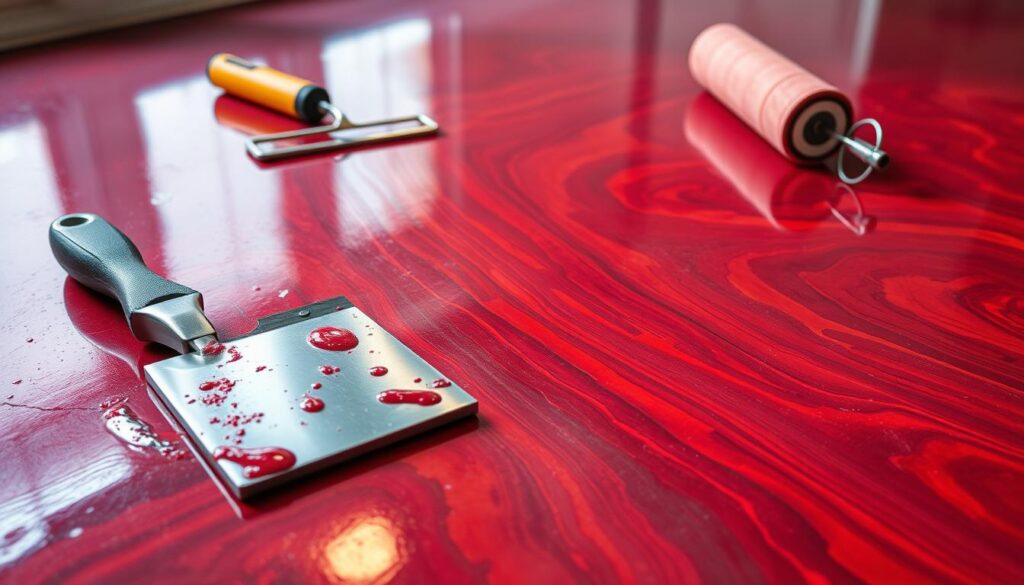
Liquid rubber works well in many flooring roles. It gives a smooth, flexible surface that can handle a lot of use and tough conditions. It’s also easy to put in, keep up, and fix. Knowing the good points of liquid rubber helps you decide if it’s right for your project.
Key Takeaways
- Liquid rubber is a durable and flexible flooring solution
- It is resistant to chemicals and abrasion
- Liquid rubber is easy to install and maintain
- It is a great option for high-traffic areas and harsh environments
- Liquid rubber flooring solutions offer a wide range of benefits and applications
- It is a popular choice for various industries due to its composition and properties
Understanding Liquid Rubber Flooring Solutions
Liquid rubber is a flexible and tough flooring option. It’s great because it’s durable, flexible, and resists chemicals and wear. It’s a top pick for many because of its benefits and how easy it is to use.
The mix in liquid rubber includes rubber, resins, and additives. Knowing what’s in it helps pick the best flooring for you. Liquid rubber stands out for its flexibility, chemical resistance, durability, and ease of upkeep.
- High flexibility and elasticity
- Excellent resistance to chemicals and abrasion
- Good durability and long lifespan
- Easy to apply and maintain
Liquid rubber works well in many places, like factories, offices, and homes. It’s perfect for busy spots and places where chemicals and wear are common. Knowing its benefits helps decide if it’s right for you.
Liquid rubber is a solid choice for flooring. It’s durable, easy to use, and lasts a long time. Its benefits and versatility make it great for many uses, ensuring it will serve you well for years.
Benefits of Using Liquid Rubber for Flooring
Liquid rubber is a top pick for flooring because of its many perks. It’s very durable, standing up well to chemicals and wear and tear. This is great for places like offices and factories where floors get a lot of use and might get spills.
It’s also very flexible, which means it can move with the floor without cracking. This makes it safe for busy areas because it’s less likely to cause slips and falls. Plus, applying liquid rubber is easy and fast, making it a favorite for many.
Some of the main pluses of using liquid rubber for floors are:
- Easy to install and keep up
- Stands up to chemicals and wear
- Flexible and long-lasting
- Helps prevent slips and falls
In summary, liquid rubber is a great choice for flooring. It’s durable, safe, and easy to use. Its many benefits make it a popular pick for different kinds of floors.
Technical Specifications and Performance Metrics
When looking at liquid rubber flooring, it’s key to check its technical specs and performance. This info shows if the flooring fits your needs. Liquid rubber flooring is known for being very durable, making it great for places that don’t need much upkeep.
The performance of liquid rubber flooring is top-notch. It can last up to 20 years or more, depending on how well it’s cared for. Some important specs include:
- High resistance to weathering, including UV radiation, rain, and snow
- High load-bearing capacity, making it suitable for heavy-traffic areas
- Easy to install and maintain, reducing the need for frequent flooring maintenance
These specs and performance metrics show why liquid rubber flooring is a good choice. It works well in many places, from homes to offices and factories. Knowing about its durability and other key features helps you decide if it’s right for you.
In summary, liquid rubber flooring’s specs and performance show it’s a solid choice for many flooring needs. It’s designed to last long and need little upkeep, focusing on liquid rubber durability and less flooring maintenance.
Cost Analysis and Value Proposition
The cost of liquid rubber flooring can change based on several things. These include the application, installation, and upkeep needs. Yet, liquid rubber flooring stands out for its durability, flexibility, and ability to resist chemicals and wear.
Some key benefits of liquid rubber flooring are:
- It lasts a long time, cutting down on the need for repairs and replacements.
- It’s easy to maintain, with simple cleaning and fixing steps.
- It’s very resistant to chemicals, wear, and extreme temperatures.
When looking at the cost of liquid rubber flooring, think about the overall value. The initial cost might be more than other options. But, the long-term benefits and savings can make it worth it.
Video source from Youtube
In summary, liquid rubber flooring is a great choice for those seeking a durable, flexible, and resistant flooring option. By weighing the cost and value, people can decide if liquid rubber flooring fits their needs.
| Factor | Liquid Rubber Flooring | Other Flooring Options |
|---|---|---|
| Initial Cost | Higher | Lower |
| Long-term Benefits | Higher | Lower |
| Maintenance Requirements | Easy | Difficult |
Application Methods and Installation Process
When it comes to liquid rubber flooring, how you apply and install it is key. A strong and durable floor starts with a well-prepared surface and the right application techniques. The process often includes cleaning, priming, and using a bonding agent for a strong bond.
There are different ways to apply liquid rubber flooring, like rolling, brushing, or spraying. It’s important to consider the temperature, humidity, and air flow for proper curing. The curing time and conditions greatly impact the final result.
Some important steps for a successful installation are:
- Surface preparation: Clean and prime the surface for a strong bond.
- Application techniques: Choose the right method based on the project’s needs, like rolling, brushing, or spraying.
- Curing time and conditions: Control the temperature, humidity, and air flow to ensure a durable floor.
By following these steps and using the right methods, you can get a floor that lasts for years.
| Application Technique | Description |
|---|---|
| Rolling | Applying the liquid rubber to the surface using a roller. |
| Brushing | Applying the liquid rubber to the surface using a brush. |
| Spraying | Applying the liquid rubber to the surface using a spray gun. |
Common Applications and Best Use Cases
Liquid rubber flooring works well for many flooring applications. It’s great for commercial, industrial, and home use. It’s perfect for places that get a lot of foot traffic, like warehouses, factories, and malls.
It’s also good for areas that need to be safe from chemicals and scratches. This includes labs, hospitals, and places where food is made. Some of the main liquid rubber uses are:
- High-traffic areas: warehouses, factories, shopping centers
- Chemical-resistant areas: laboratories, hospitals, food processing plants
- Residential flooring: homes, apartments, condominiums
When picking flooring applications for liquid rubber, think about what the area needs. For example, a warehouse needs something strong for lots of people and machines. But a lab needs something that can handle chemicals and won’t get damaged easily.
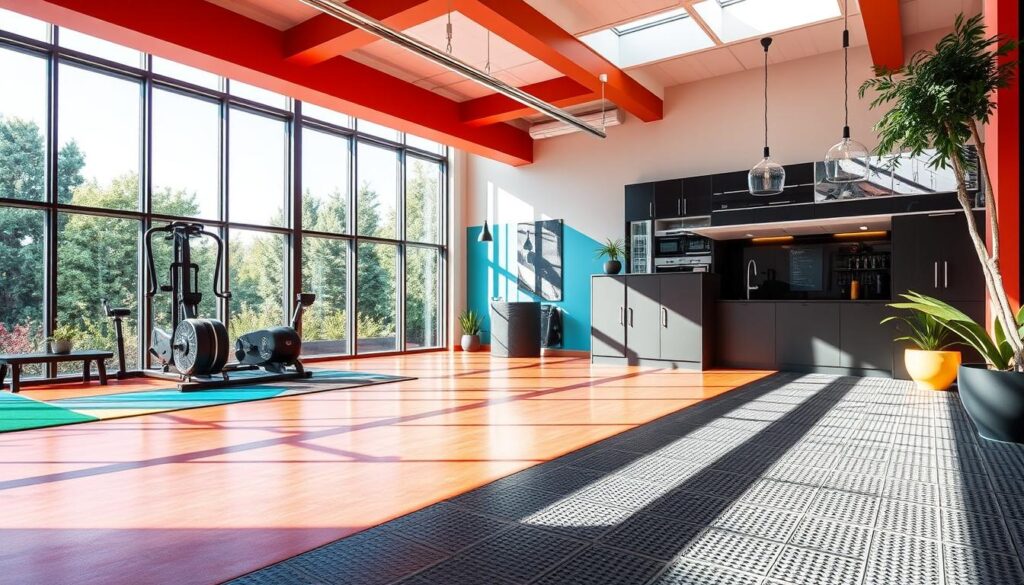
As for liquid rubber uses, it’s really versatile. It can be used for everything from big commercial spaces to homes. It’s a tough and adaptable option for many different needs.
Maintenance Requirements and Long-term Care
Proper care is key to keeping liquid rubber flooring in top shape. Regular upkeep prevents damage and keeps it durable. It involves cleaning, fixing, and taking steps to prevent problems.
Cleaning is crucial. Sweep and mop to get rid of dirt and debris. For tougher stains, a mild detergent works well. Always check the flooring for any issues to catch them early.
Cleaning Procedures
- Sweep the floor regularly to remove dirt and debris
- Mop the floor with a mild detergent to remove stubborn stains
- Inspect the flooring regularly to identify potential issues
Preventive Maintenance Tips
To keep liquid rubber flooring in great shape, follow some key tips. Regular cleaning and inspections are a must. These steps help your flooring last longer and perform better.
By focusing on flooring care and maintenance, you get durable and lasting flooring. Regular upkeep prevents damage and saves on repair costs. It also makes your flooring last longer.
| Maintenance Task | Frequency |
|---|---|
| Cleaning | Weekly |
| Inspection | Monthly |
| Repair | As needed |
Environmental Impact and Sustainability Features
Liquid rubber flooring has a big environmental impact because of its chemicals. But, it lasts a long time. This means you don’t need to replace it often, which is better for the planet.
When looking at the environmental impact of liquid rubber flooring, consider a few things:
- Material sourcing and production processes
- Energy consumption during manufacturing and installation
- Waste generation and disposal methods
- Indoor air quality and potential emissions
Even with these concerns, liquid rubber flooring can be good for the environment. It’s tough and doesn’t wear out easily. This means you won’t need to fix or replace it often. This helps lower the environmental impact over time.
By picking liquid rubber flooring and using sustainable practices, you can lessen your environmental impact. You’ll also get a flooring solution that lasts a long time.
| Factor | Environmental Impact | Sustainability Features |
|---|---|---|
| Material Sourcing | High | Low |
| Energy Consumption | Medium | Medium |
| Waste Generation | Low | High |
| Indoor Air Quality | Medium | Medium |
Comparing Liquid Rubber with Alternative Flooring Options
Choosing the right flooring is crucial. Liquid rubber alternatives are gaining popularity. But how do they compare to traditional options? We’ll explore the key factors to consider when comparing liquid rubber flooring to other alternatives.
The cost is a major factor in any flooring comparison. Liquid rubber flooring is pricier than some traditional options. Yet, its durability and low maintenance make it cost-effective in the long run. Performance analysis is vital to see how well a flooring material holds up. Liquid rubber flooring excels in flexibility, chemical resistance, and extreme temperature tolerance.
Longevity is another critical aspect. Assessing how long a flooring material lasts can reveal its true value. Liquid rubber alternatives are favored for their durability and minimal maintenance needs. Key factors to consider include:
- Initial cost
- Installation cost
- Maintenance cost
- Durability
- Flexibility
- Resistance to chemicals and abrasion
By evaluating these factors and considering liquid rubber alternatives, you can make an informed choice.
Potential Drawbacks and Limitations
When thinking about liquid rubber flooring, it’s key to know the flooring drawbacks and liquid rubber limitations. A big concern is the high initial cost. This can be a big expense for some people or businesses.
Some main issues with liquid rubber flooring include:
- It can be sensitive to temperature and humidity, which might affect how it looks and works.
- Installing it can be complex. It might need special labor and tools.
- It could crack or craze, which might make it less durable and less attractive.
Even with these liquid rubber limitations, many people think the benefits are worth it. But, it’s important to weigh these points carefully. This helps decide if liquid rubber flooring is right for a project.
In summary, while flooring drawbacks and liquid rubber limitations are real, they can be managed. With the right installation, care, and maintenance, these issues can be lessened. Knowing these potential problems helps people and businesses decide if liquid rubber flooring fits their needs.
Conclusion: Is Liquid Rubber Flooring Right for Your Project?
After looking into the benefits and uses of liquid rubber flooring, it’s clear it’s a great choice for many projects. It’s durable, flexible, and can handle weather well. This makes it perfect for busy areas, outdoor spaces, and industrial settings.
If you need a flooring that lasts and is easy to care for, liquid rubber is a good option. It works well with different floors, is simple to install, and is good for the environment. This makes it a better choice than some older flooring types.
Choosing liquid rubber flooring depends on your needs, budget, and goals. By looking at the details in this review, you can decide if it’s the best choice for your flooring needs.
FAQ
What is Liquid Rubber?
Liquid Rubber is a flooring solution made from rubber and chemicals. It’s durable, flexible, and resists chemicals and abrasion.
What are the Benefits of Using Liquid Rubber for Flooring?
Liquid Rubber flooring is durable and flexible. It resists chemicals and abrasion. It’s easy to install and low maintenance.
What are the Technical Specifications and Performance Metrics of Liquid Rubber Flooring?
Liquid Rubber flooring is very durable. It’s weather-resistant and can bear heavy loads. It’s great for many uses.
How is Liquid Rubber Flooring Installed?
To install Liquid Rubber flooring, you need to prepare the surface. Then, apply it using specific techniques. Wait for it to cure under the right conditions.
What are the Common Applications and Best Use Cases for Liquid Rubber Flooring?
Liquid Rubber flooring works well in commercial, industrial, and residential areas. It’s perfect for high-traffic spots and places needing chemical and abrasion resistance.
What are the Maintenance Requirements and Long-term Care for Liquid Rubber Flooring?
To keep Liquid Rubber flooring in good shape, clean it regularly. Know how to repair it and follow preventive care tips.
What are the Potential Drawbacks and Limitations of Liquid Rubber Flooring?
Liquid Rubber flooring can be expensive to start with. It’s complex to install and sensitive to temperature and humidity. It might crack or craze over time.
Read also : Flooring Jacks: Essential Tools for Successful Floor Installations