
Teak is one of the most expensive mainstream furniture and flooring woods in the world. If you have compared prices for a teak table, teak decking or teak flooring against oak, pine or acacia, the difference can be large. So why is teak wood so expensive, and is it worth the money? Below are the real reasons behind teak’s price, from how slowly it grows to how it is graded and traded.
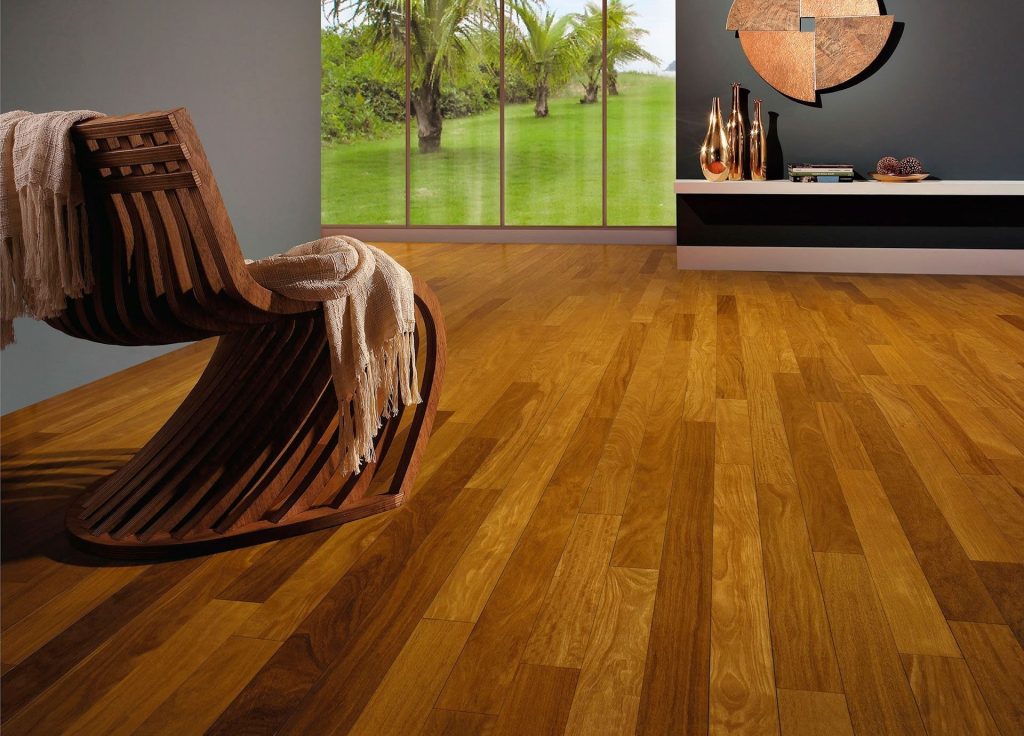
1. Teak Grows Slowly
Teak (Tectona grandis) needs decades to produce good-quality heartwood. Plantation teak is commonly harvested after several decades of growth, and the most valuable timber comes from older trees with a larger proportion of dense, oily heartwood. Younger, fast-grown plantation teak is cheaper, but it has more pale sapwood and less of the natural oil that gives teak its durability. Time in the ground is a major part of what you pay for.
2. Only the Heartwood Is Truly Valuable
A teak log is not uniform. The prized material is the golden-brown heartwood in the centre of the tree. The outer sapwood is lighter, less durable and worth much less. After a log is squared, sawn and sorted, a significant share of the volume does not qualify as top-grade heartwood. That yield loss is built into the price of every board of premium teak.
3. Natural Oils and Silica Make It Exceptionally Durable
Teak’s heartwood contains natural oils and silica. The oils help repel water and resist rot and insects, which is why teak can stay outdoors for decades without chemical treatment. The same properties make teak the traditional material for boat decks and outdoor furniture. High demand from the marine, outdoor-furniture and luxury-interior markets keeps prices high.
4. Limited Supply of Old-Growth Teak
Natural teak forests are found mainly in South and Southeast Asia, including Myanmar, India, Laos and Thailand. Old-growth teak has become scarce, and supply has tightened further because of trade restrictions. Myanmar, historically the main source of old-growth “Burmese teak”, banned raw log exports in 2014, and teak from Myanmar has since faced sanctions and import restrictions in markets such as the United States and the European Union. Most teak on the market today therefore comes from plantations, including long-established plantations in Indonesia’s Java, which helps keep legal supply available. Learn more about Burmese teak.
5. Grading Has a Big Effect on Price
Teak is sold in grades. Higher grades have uniform colour, tight and straight grain, few knots and almost no sapwood. Lower grades show more knots, colour variation and sapwood. Two products both labelled “teak” can therefore differ hugely in quality and price. When comparing quotes, always ask about the grade, the origin, the moisture content and whether the wood is solid or veneer.
6. Processing, Drying and Workmanship
Teak must be dried carefully to the right moisture content to stay stable in use. Its silica content also blunts saw blades and tools faster than many other woods, which adds to machining costs. For furniture, joinery quality matters too: solid teak pieces with proper joints take more skilled labour than flat-pack products.
How Much Does Teak Cost?
Prices vary with grade, dimensions, origin and finish. As a reference from our own price list, solid teak flooring (lantai kayu jati) from Timber Tropics ranges from around IDR 1,200,000 to 1,500,000 per m² for material. See our detailed teak wood price guide for more, or estimate a flooring or decking project with our wood flooring and decking price calculator.
Is Teak Worth the Price?
For outdoor furniture, decking, boat interiors and flooring you plan to keep for decades, teak is often worth it. It needs little maintenance, resists rot without chemicals and can be sanded and refinished many times. Cheaper woods may cost less up front but often need replacing sooner. If your budget is tight, consider:
- Plantation teak in a lower grade for pieces where small knots or colour variation are acceptable.
- Merbau or ulin for outdoor and heavy-use applications. See our guide to the best wood for outdoor furniture.
How to Avoid Overpaying for “Teak”
- Ask whether the product is solid teak or teak veneer.
- Be careful with names like “American teak” or “teak finish”. These usually describe a colour or a different species, not genuine Tectona grandis.
- Check for legal origin and documentation, especially for export orders.
- Compare like with like: grade, thickness, moisture content and finish all change the price.
Frequently Asked Questions
Is teak more expensive than oak?
Usually yes. Genuine teak, especially in high grades, generally costs more than common oak because of its slower growth, limited supply and natural outdoor durability.
Why is Burmese teak more expensive than plantation teak?
Old-growth Burmese teak typically has denser heartwood, tighter grain and higher oil content. Supply is also restricted by export bans and sanctions, which pushes prices up further.
Does teak hold its value?
Well-made solid teak furniture and flooring can last for decades and be refinished rather than replaced, which is why many buyers see it as a long-term investment.
Buy Solid Teak Directly from Indonesia
Timber Tropics supplies solid teak for flooring, decking and furniture projects. Contact us or message us on WhatsApp for current grades, sizes and a quotation.